/
Academic schedule
Myongji University · Korean Language Education Center (KLEC)
Myongji University Korean Language Education Center Overview
The Korean Language Education Center (KLEC) at Myongji University offers intensive Korean language programs for international students and foreign residents. With campuses in Seoul and Yongin, KLEC provides level-based Korean courses, various cultural activities, and academic support so that learners can improve their communication skills, experience Korean life, and prepare for degree studies in Korea.
Key Features of Myongji University Korean Language Education Center
Seoul & Yongin Dual-Campus Environment
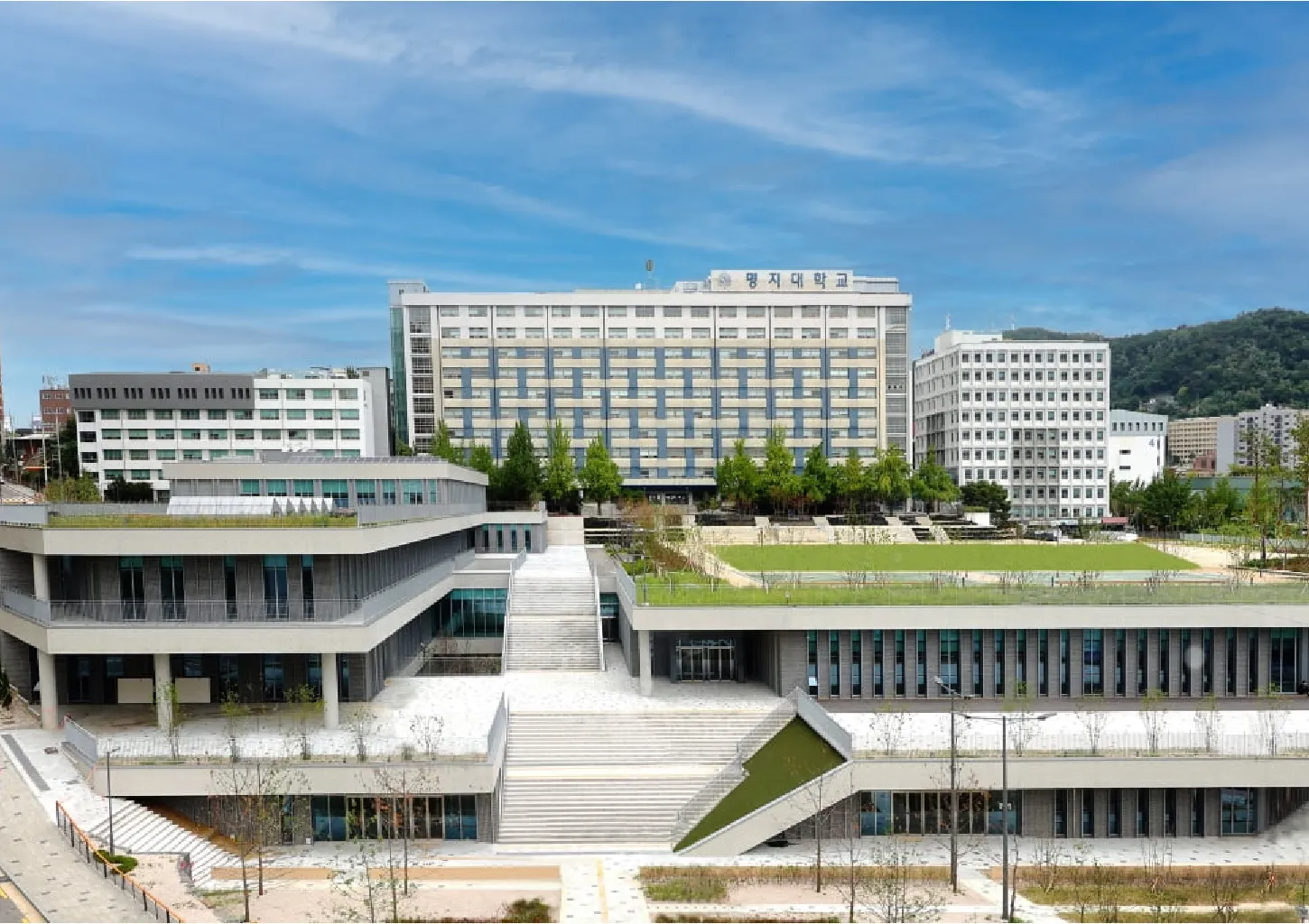
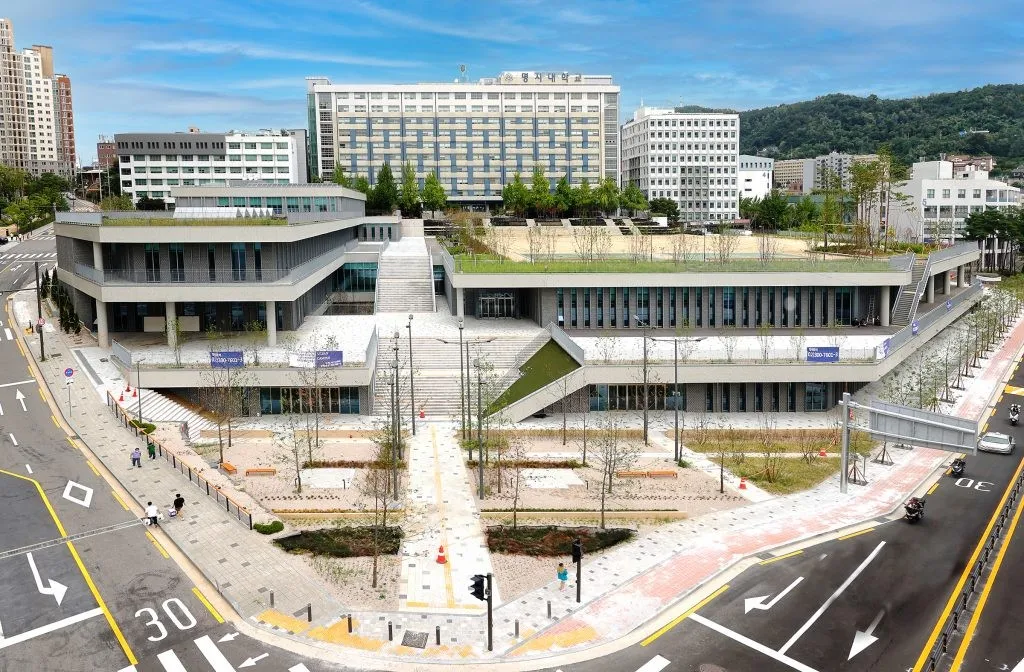
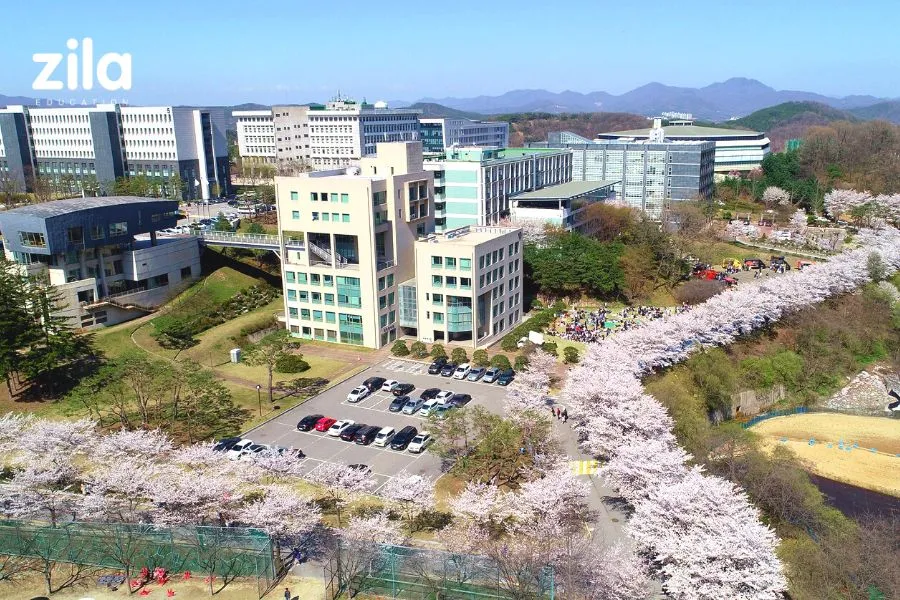
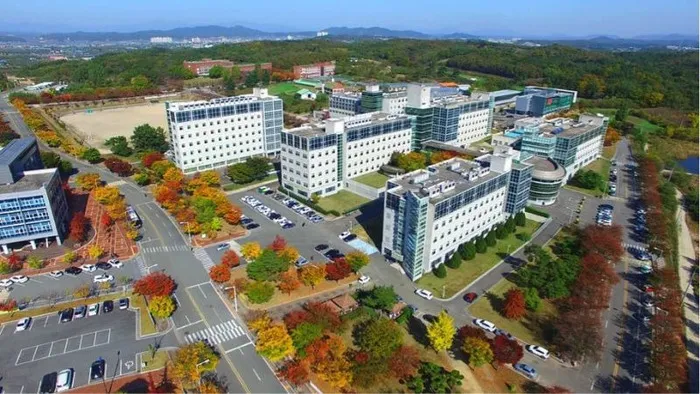
The Seoul campus is located near the political, economic, and cultural center of downtown Seoul, while the Yongin campus in Gyeonggi-do offers a quieter study environment with comparatively reasonable living expenses. Students can choose a campus that best fits their lifestyle and goals.
Regular 4-Semester System
The academic year is operated on a four-semester system (Spring, Summer, Fall, Winter), with classes offered in multiple levels. Each term consists of intensive Korean language study to help students build skills continuously throughout the year.
Level-Based Intensive Program
KLEC runs a multi-level curriculum (generally five to six levels depending on campus). Students are placed into appropriate classes through placement tests and learn Korean in an integrated way, focusing on speaking, listening, reading, and writing in small to medium-sized classes.
Cultural Activities & Student Support
Each semester, students can participate in cultural excursions and special events to experience Korean culture and history. Orientation and ongoing support help learners adapt to life in Korea and to the Myongji University campus environment.
Korean Language Course & Term Operation
- Four regular semesters per year (Spring, Summer, Fall, Winter).
- Classes are generally held five days a week (Monday–Friday), about four hours per day.
- Level-based placement from beginner to advanced, using a placement test and/or interview.
- Integrated training in speaking, listening, reading, and writing through presentations, projects, and tasks.
- Semester-based cultural activities and special programs to support adaptation to Korean life and study.
Myongji University Campus & Korean Language Education Center Video
View the video below to get a glimpse of Myongji University’s campus atmosphere, facilities, and Korean language classroom environment at the Korean Language Education Center.
Contact & Consultation
For detailed information about the Myongji University Korean Language Education Center, semester schedules, admission procedures, tuition fees, and visa documents, please refer to the official KLEC website or contact Trenvl for personalized guidance.
Official Website (KLEC) : https://klec.mju.ac.kr/main.php?sMenu=eng
Seoul Campus : Korean Language Education Center, 4F Administration Building (#5),
Myongji University, 34, Geobukgol-ro, Seodaemun-gu, Seoul, Republic of Korea (Postal code: 03674)
Tel : +82-2-300-1499, +82-2-300-1509 | Email : kli@mju.ac.kr
Yongin Campus : Office of International Students Supporting Team, 2F College of Engineering Building 2 (#8),
116, Myongji-ro, Cheoin-gu, Yongin, Gyeonggi-do, Republic of Korea
Tel : +82-31-324-1058
Additional Support : Through Trenvl’s dedicated planner, applicants can receive assistance with school and term selection, housing options, and visa preparation.
Regulations
Myongji University Korean Language Education Center · Level-based Curriculum
Level 1 – Regular Korean Language Program Curriculum (Beginner)
At Level 1, students learn the basics of Korean pronunciation and core sentence patterns, focusing on everyday expressions needed for campus life and daily communication in Korea.
1. Learning Objectives
- Understand and use essential vocabulary and grammar required at the beginner level.
- Understand basic expressions used in daily life and engage in simple, practical conversations.
- Read and write short sentences, introduce oneself, and convey simple personal information.
2. Course Content
- Pronunciation: [Example] Learning Hangul consonants and vowels, final consonants (batchim), basic sound length and intonation patterns.
- Grammar: [Example] Basic tenses (present, past, future), particles, and introductory honorific forms.
- Vocabulary: [Example] Everyday topics such as self-introduction, family, school life, food, shopping, and transportation.
- Speaking & Conversation: [Example] Greetings, introducing oneself, telling the time and date, describing places, and basic shopping expressions.
- Reading & Writing: [Example] Reading and writing short sentences, and filling out simple forms and basic applications.
3. Sample Classroom Activities
- Self-introduction presentations and pair interviews.
- Games to practice numbers, dates, and time expressions.
- Practicing giving directions using a campus map or subway map.
- Restaurant role-plays using real or sample menus to order food.
- Simulated situations for supermarket or daily shopping conversations.
4. Weekly Lesson Plan (Sample Template)
The following is a sample template. Actual weekly lesson plans may vary depending on the detailed syllabus and instructor for each semester.
| Week | Grammar · Expressions | Conversation · Activities |
|---|---|---|
| Week 1 | [Ex: Hangul consonants and vowels, greeting expressions, nationality & occupation] | Self-introduction, greetings, talking about nationality and occupation. |
| Week 2 | [Ex: Location & place expressions, time & date expressions] | Introducing the classroom and home, talking about appointment times. |
| Week 3 | [Ex: Basic verbs/adjectives in present tense, talking about likes and dislikes] | Sharing preferences, introducing favorite food and hobbies. |
| Week 4 | [Ex: Past tense, expressions of experience, numbers & counters] | Talking about last weekend or a trip, basic shopping conversations. |
| Week 5 | [Ex: Future tense, expressing plans, basic imperative/prohibitive forms] | Talking about vacation plans, explaining daily rules and routines. |
| Week 6 | [Ex: Weather & season expressions, basic honorific forms] | Talking about the weather, introducing family members using honorific expressions. |
| Week 7 | [Ex: Hobbies, ability/possibility expressions, health & change expressions] | Asking and answering about hobbies, practicing dialogues for hospital/pharmacy situations. |
| Week 8 | [Ex: Review of plans & experiences, basic emotion expressions] | Semester review, presenting future plans, sharing feelings and impressions. |
※ The above is a typical example of Level 1 content. Actual lesson topics and weekly structure may vary depending on the instructor’s detailed course plan at Myongji University Korean Language Education Center.
Curriculum book
Myongji University · Korean Language Education Center · Regular Course
Application & Admission Guide
This page provides a general overview of the application and admission process. For official announcements, schedules, and required forms, please refer to the university's latest notices.
Program Office
Korean Language Education Center, Myongji University
Korean Language Education Center, Myongji University
Seoul Campus: 34, Geobukgol-ro, Seodaemun-gu, Seoul, Republic of Korea (03674)
Yongin Campus: 116, Myongji-ro, Cheoin-gu, Yongin, Gyeonggi-do, Republic of Korea
Email: kli@mju.ac.kr
Phone (Seoul): 02-300-1499, 02-300-1509
Phone (Yongin): 031-324-1058
Yongin Campus: 116, Myongji-ro, Cheoin-gu, Yongin, Gyeonggi-do, Republic of Korea
Email: kli@mju.ac.kr
Phone (Seoul): 02-300-1499, 02-300-1509
Phone (Yongin): 031-324-1058
1. Eligibility
- International applicants who wish to study Korean language systematically
- Applicants must have completed secondary education (high school) or equivalent
- Students are placed in appropriate levels (Level 1-6) based on placement test results
- Visa requirements (D-4-1 student visa) apply to most international students
- Some nationalities must register for 1 year (4 semesters) minimum
2. Admission Procedure
- Review the official application guide and semester schedule on KLEC website
- Complete online application form during the application period
- Prepare and submit required documents via international mail to the program office
- Pay application fee (charged together with tuition)
- Document screening by Korean Language Education Center
- Check admission results online in "Admission Guide" → "Online Application"
- Complete tuition payment after acceptance (use Flywire for international transfers)
- Apply for D-4-1 student visa at Korean embassy/consulate
- Attend Placement Test & Orientation (face-to-face, mandatory)
- Register for classes and begin studies
※ Vietnamese applicants MUST apply through designated MJU offices in Vietnam (Hanoi or Ho Chi Minh City)
※ Procedures may vary by semester. Always follow the most recent official notice on the website.
3. Required Documents
- Online application form (completed and printed)
- Copy of passport (information page)
- Recent passport-size photos (as specified in application guide)
- Certificate of graduation (high school or higher) - Apostilled or authenticated
- Academic tran
- Certificate of bank balance (proof of financial ability) - Original required
- Additional documents depending on nationality and visa requirements
- All original documents must arrive at the program office within the application period
⚠️ IMPORTANT: Applications without original documents arriving on time will be cancelled
4. Program Format
- Academic year: 4 semesters per year (Spring, Summer, Fall, Winter)
- Levels: 6 levels (Seoul Campus), 5 levels (Yongin Campus)
- Term length: 10 weeks per semester
- Total instruction hours: Approximately 200 hours per term
- Course content: Comprehensive Korean language education including:
- Listening
- Speaking
- Reading
- Writing
- Grammar
- Korean culture and practical communication skills
- Classes are conducted according to proficiency level with managing instructors supervising attendance and progress
5. Campus Locations
Seoul Campus (Social Science Campus)
- Location: Minutes away from Seoul's metropolitan downtown
- Access: Close to economic, political, and cultural centers
- Address: 34, Geobukgol-ro, Seodaemun-gu, Seoul 03674
- Best for: Students wanting to experience urban Seoul life
Yongin Campus (Natural Science Campus)
- Location: Yongin City, Gyeonggi-do (about 1 hour from Seoul)
- Benefits: More affordable tuition and living expenses compared to Seoul
- Address: 116, Myongji-ro, Cheoin-gu, Yongin, Gyeonggi-do
- Nearby attractions: Korean Folk Village, Everland amusement park
- Best for: Students seeking a quieter campus environment with lower costs
6. Tuition & Fees (Reference)
| Item | Amount |
|---|---|
| Tuition (per semester) | Please check official website for current rates |
| Application fee | Charged together with tuition |
| International transfer fee | KRW 10,000 (bank fee from abroad) |
| Meal expenses (on-campus) | KRW 8,000 per meal (university cafeteria) |
| Meal expenses (off-campus) | KRW 7,000 - 10,000 per meal |
| Housing (monthly rent) | KRW 400,000 - 600,000 (Deposit: KRW 3,000,000 - 10,000,000) |
Payment Method: Use Flywire for international wire transfers
Bank Information:
• Bank Name: 하나은행 (HANA BANK)
• Swift Code: KOEXKRSE (China: KOEXKRSEXXX)
• Bank Address: HANA Bank, 50-3, Namgajwa-dong, Seodaemun-gu, Seoul, Korea
• Account Number: 299-910003-46804
• Account Name: 명지대학교 MYONGJI UNIVERSITY
※ Tuition and fees may change by semester. Please confirm the latest information on the official website before payment.
※ Enrolled students should inquire for their specific account number.
7. Student Support Services
- Managing Instructor System: Dedicated instructors monitor student attendance, grades, and progress
- Global Outreach Club: Korean student volunteers provide:
- Airport pick-up service
- Assistance with Korean life adjustment
- Cultural exchange activities
- International Student Support Team: Comprehensive assistance with administrative matters
- Housing Assistance: Guidance on finding accommodation near campus
8. Important Notes for Specific Nationalities
Vietnamese Applicants
Vietnamese applicants MUST apply through the following designated MJU offices in Vietnam:
- Hanoi Office: Global Admission Center (GAC)
Phone: 0084-24-3225-2658, 0084-24-3787-8911
Email: mju.hanoi@gmail.com - Ho Chi Minh City Office: Contact information available on official website
Citizens of Specific Countries
Students from 21 countries notified by the Ministry of Justice and 5 countries of focus management who need D-4-1 visa must register for 1 year (4 semesters) minimum. Additional documents may be required.
9. Refund & Withdrawal Policy
- Semester Change/Delay: You must re-apply during the new semester's application period and re-submit required documents
- Visa Denial: If the Ministry of Justice refuses your D-4-1 visa, admission will be revoked
- Refund Application: Submit refund application through 'Academic Info' → 'Forms' → 'Refund Application Form (online form)'
- Refund processing and conditions vary by circumstances - please refer to official refund policy
Notes & Disclaimer
This information is provided for reference purposes only. Applicants should always follow the official announcements released by Myongji University Korean Language Education Center.
For the most up-to-date information, official application forms, and detailed requirements, please visit:
https://klec.mju.ac.kr
Contact Information
Korean Language Education Center - Seoul Campus
4th floor, Administration Building (#5), Myongji University
34, Geobukgol-ro, Seodaemun-gu, Seoul 03674, Republic of Korea
???? Phone: 02-300-1499, 02-300-1509
???? Email: kli@mju.ac.kr
4th floor, Administration Building (#5), Myongji University
34, Geobukgol-ro, Seodaemun-gu, Seoul 03674, Republic of Korea
???? Phone: 02-300-1499, 02-300-1509
???? Email: kli@mju.ac.kr
Office of International Students Supporting Team - Yongin Campus
2nd floor, College of Engineering Building 2 (#8)
116, Myongji-ro, Cheoin-gu, Yongin, Gyeonggi-do, Republic of Korea
???? Phone: 031-324-1058
???? Email: kli@mju.ac.kr
2nd floor, College of Engineering Building 2 (#8)
116, Myongji-ro, Cheoin-gu, Yongin, Gyeonggi-do, Republic of Korea
???? Phone: 031-324-1058
???? Email: kli@mju.ac.kr


취소 정책
더투어랩은 마음대로 예약하세요~~
호텔,골프,투어,차량..취소/변경수수료가 전~혀 없어요.
단,호텔이나 업체에서 매기는 수수료는 어쩔 수 없지만 최대한 가볍게 해드려요~~
호텔,골프,투어,차량..취소/변경수수료가 전~혀 없어요.
단,호텔이나 업체에서 매기는 수수료는 어쩔 수 없지만 최대한 가볍게 해드려요~~
24년 11월 10일(일) 18시 이전:
24년 11월 10일(일) 18시 ~ 24년 11월 11일(일) 18시:
24년 11월 10일(일) 18시 이후 쥐소 또는 노쇼(No Show):
취소/변경 수수류 전혀 없이 취소/변경 가능
결제하신 금액의 50% 요금이 자지로 발생
결제하신 금액 전액이 자지로 발생
* 정확한 저리를 위해서 쥐소변경온 전화로는 눌가하고, 반드시 사이트에 글로 남겨주셔야 합니다.
* 위의 취소요청 시간은 한국시간을 기준으로 됩니다.
* 노 쇼(No-Show): 여악올 했지만 쥐소 연락 없이 예약장소에 나타나지 않는 경우를 말합니다.
* 위의 취소요청 시간은 한국시간을 기준으로 됩니다.
* 노 쇼(No-Show): 여악올 했지만 쥐소 연락 없이 예약장소에 나타나지 않는 경우를 말합니다.

사용 가능한 쿠폰 확인
사용 가능한 쿠폰 0항목
약관 및 조건에 동의
필수 필드
| Messenger | *It helps the tour operator contact you easily. |
|---|---|
| Other Request |
Login or Sign Up

SNS Login